Article Body
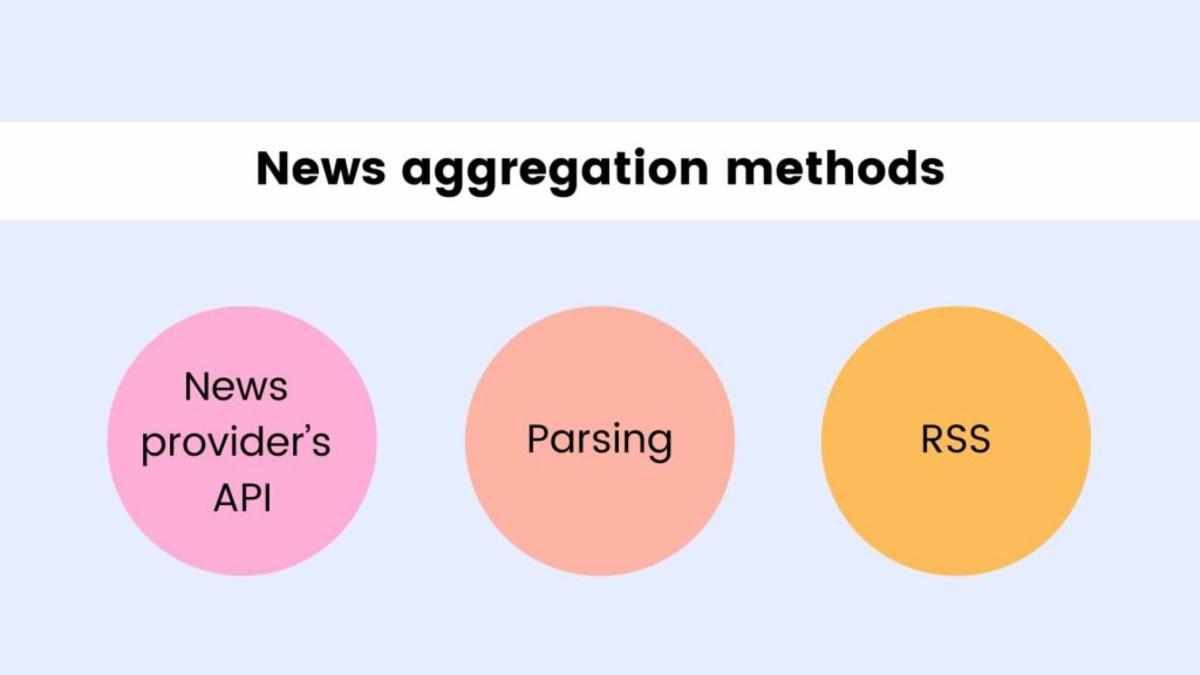
The way people consume news has changed dramatically in recent years. Instead of visiting multiple websites or waiting for scheduled broadcasts, many readers now rely on news aggregator websites to stay informed. These platforms collect stories from different publishers and present them in one convenient place, changing how audiences interact with news.
One of the biggest advantages of news aggregators is convenience. Readers can scan headlines from various sources within minutes, gaining a broad overview of what is happening locally and globally. This saves time and reduces the effort required to stay updated. For busy professionals and casual readers alike, this single-window approach fits perfectly into fast-paced daily routines.
News aggregators also expose readers to diverse perspectives. By featuring content from multiple publishers, they allow users to compare how different outlets report the same story. This can help readers identify bias, understand context better, and form more balanced opinions. In a polarized media environment, access to varied viewpoints is especially valuable.
Personalization is another key feature shaping modern news consumption. Many aggregator platforms use algorithms to tailor content based on user interests, reading history, and location. While this improves relevance, it also raises concerns about echo chambers, where readers repeatedly see only viewpoints they already agree with. Responsible aggregators attempt to balance personalization with editorial diversity to avoid narrowing perspectives.
For publishers, news aggregators offer both opportunities and challenges. On one hand, they can drive significant traffic to original news websites, helping smaller publishers reach wider audiences. On the other hand, over-reliance on aggregators can reduce direct engagement with readers and affect brand recognition. This makes it important for publishers to maintain strong identities and loyal audiences beyond aggregator platforms.
The rise of news aggregators has also influenced how stories are written. Headlines and summaries need to be clear, accurate, and compelling to stand out in crowded feeds. Sensational or misleading headlines may attract short-term attention, but they damage trust in the long run. Quality publishers focus on clarity and honesty to maintain credibility within aggregator ecosystems.
Technology plays a central role in how aggregators operate. Automated systems scan, categorize, and rank stories at scale. While automation improves efficiency, human oversight remains crucial. Editorial judgment helps prevent the spread of misinformation, duplicate content, or low-quality reporting. The most reliable aggregator platforms combine technology with responsible moderation.
Looking to the future, news aggregator websites are likely to become even more influential. As information continues to grow, the need for organized, accessible news will increase. Aggregators that prioritize accuracy, transparency, and fair representation of sources will earn reader trust and play a positive role in the media landscape.
Ultimately, news aggregators are not replacing journalism; they are reshaping how it is discovered and consumed. When used responsibly, they help readers stay informed, encourage diverse perspectives, and support the broader digital news ecosystem in an increasingly connected world.

Comments